(By DIAMOND MARIE PEDROZA)
SAN ANTONIO, Texas — Sexual assault and the effects of predatory celebrities in the African-American community was the focus of a recent community chat at The Rape Crisis Center of San Antonio.
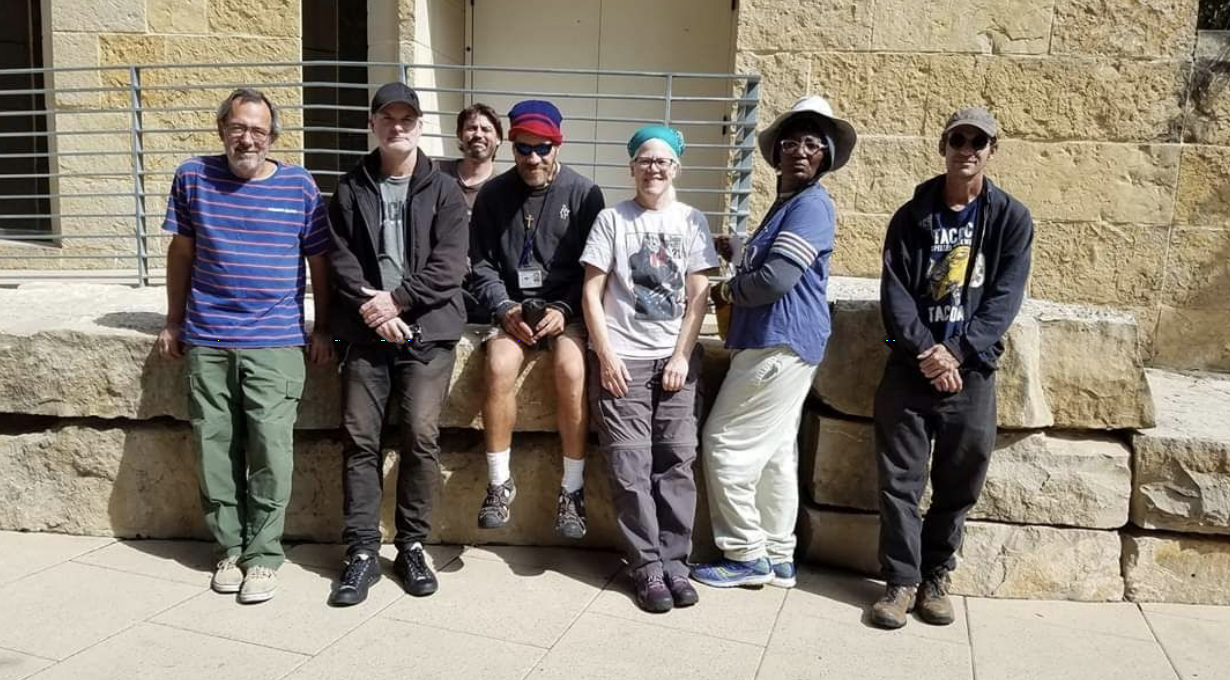
Five panelists during the Feb. 9 event, made up of doctors and victim advocates, gave more insight into how the media and bystander reactions to assault allegations and publicly-known survivors could change for the better.

(Image courtesy of The Rape Crisis Center of San Antonio)
A look at how history and freedom have impacted American citizens can help people become more educated on how past problems are still prevalent in American society, according to organizers of the panel.
Brought up early in the discussion was that sexual violence, especially against women, was a common act the “white man” imposed on slaves. Since slaves could not legally fight back, it was rare that they ever did.
The consequences for fighting back included getting body lashings, having body parts cut off, being burned, or killed. Therefore, many knew of the actions against slaves, but little could be done to stop the violence.
Silence and pervasiveness of abusive actions are themes that have been prevalent for more than 100 years in America. The panelists talked about how these themes are inherited from slavery, but are also common with society.
Today, The Rape Crisis Center says that more than 70 percent of sexual assaults are committed by a perpetrator known to the survivor, and many times perpetrators are part of the survivor’s family. Even so, silence remains the biggest problem.
Accusations of sexual assault can be overlooked by fame and success of community members.
This is especially true of Bill Cosby and R. Kelly. The panelists spoke about how Kelly’s behaviors toward women in the past have been so prevalent that coaches, in areas surrounding Kelly’s Chicago home, have reenacted the behaviors of Kelly.
For instance, CBS Chicago highlighted an August 2018 Child Protective Services sexual abuse report that said the Chicago school system failed to protect its students from teachers, coaches, workers, and volunteers. This failure to protect students was found by the Chicago Tribune to be worsened by untrained CPS employees in the Chicago area.
Hundreds of community members have known of the abuse, but little has ever been done to end it. This behavior of silence and continued pervasiveness can be seen in school communities, athletic communities, and religious communities.
In 2019, Pope Francis became the first pope to speak about the widespread sexual abuse of nuns and religious women by priests and bishops.
The Rape Crisis Center admits that though people do come out with fake claims of sexual assault, this only accounts for about 2 percent of sexual assault claims.
Sexual assault and rape victim advocate, Sayama Turner, said the degree of continued pervasiveness can be linked to a “gap in getting resources out to different communities” and cultures.
“Sexual violence needs to be spoken about with professionals,” Turner said.
Panelists and attendees agreed with Turner that professionals who deal directly with this problem should be televised, interviewed, and given platforms to correct misleading or misjudging elements of popularized assault cases.
The Rape Crisis Center helps survivors heal and states that in Texas, more than 6 million adults, two in five women and one in five men, have experienced a form of sexual assault in their lifetime.
The panelists want the public to understand that a survivor’s response to sexual violence can vary. Public awareness may help survivors address their assaults or be more open to talk about them.